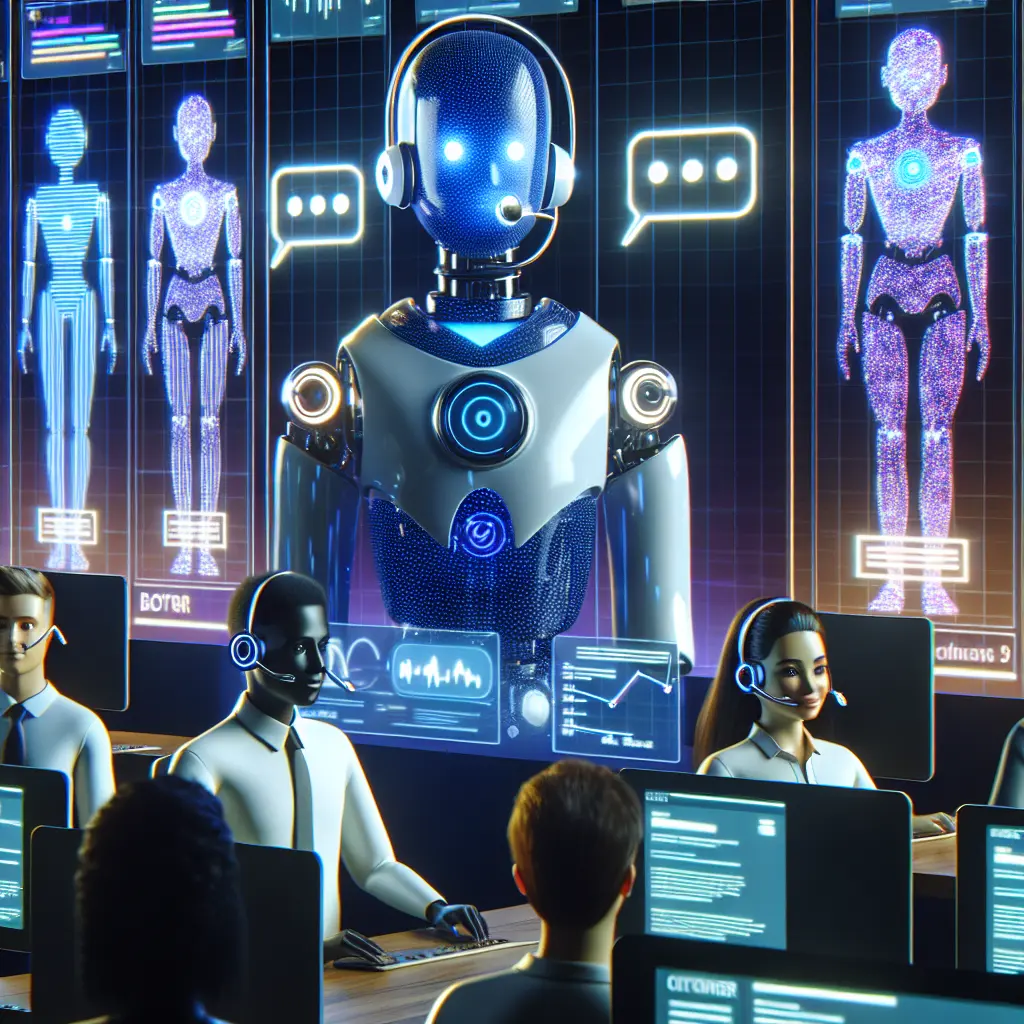
The Evolution of Chatbots in Customer Service
In today's fast-paced digital landscape, chatbots are revolutionizing the way businesses engage with their customers. These AI-driven virtual assistants have evolved from being mere novelties to becoming sophisticated tools that redefine customer service. As conversational AI advances, chatbots now play a crucial role in providing seamless and efficient customer support around the clock.
Chatbot technology has come a long way, turning mundane interactions into engaging conversations. By integrating AI-driven chatbots into customer service, businesses enhance operational efficiency and personalize the customer journey. These chatbots anticipate user needs and offer real-time solutions, significantly enhancing the customer experience in a world where timely communication is paramount.
As companies strive to remain competitive, staying updated with chatbot trends and innovations is crucial. Beyond immediate response times, chatbots streamline processes, reduce operational costs, and allow human agents to handle complex queries. This shift towards AI in customer support marks a significant transition, emphasizing a future where technology and human interaction coexist harmoniously.
Embracing chatbot integration as part of a broader strategy paves the way for the future of customer service. Let's explore how these cutting-edge tools are reshaping industries, enhancing customer satisfaction, and impacting the ever-evolving landscape of customer support.
The Future of Chatbots in Customer Service
The integration of AI chatbots is rapidly transforming the landscape of customer service. In 2024, these chatbots are no longer just tools but strategic assets that enhance service automation. With advancements in AI, virtual assistants are pivotal in reshaping customer experiences across industries.
The Rise of AI-Driven Chatbots
Recent AI advancements have enabled chatbots to move beyond basic scripted interactions, excelling in natural language processing and understanding complex human emotions. OpenAI’s SearchGPT initiative exemplifies this evolution by challenging search giants like Google with robust AI capabilities in information retrieval (TechCrunch).
Personalized Interactions and Emotional Connections
AI chatbots increasingly foster emotional connections with users. For example, Replika offers empathetic and personalized conversations, highlighting the potential for human-like interactions (The Verge). Such personalized interactions can significantly enhance customer experience by tailoring responses to individual user profiles and preferences.
Innovations in Conversational AI
Meta's experimentation with AI chatbots on platforms like Instagram and WhatsApp showcases the versatility of conversational AI. Despite some criticisms, these initiatives reveal the potential for engaging users in new ways (Mashable). WhatsApp’s new interface testing underscores the trend of integrating third-party AI chatbots to enhance user engagement (Android Authority).
Challenges and Missteps
Despite their potential, AI chatbots face challenges. The term "Botshit" highlights issues with inaccurate information or false references (Forbes). Additionally, concerns about AI "inbreeding" suggest that over-reliance on existing datasets could limit innovation (WIRED).
Case Study: Meta's Pivot and Lessons Learned
Meta’s decision to discontinue its celebrity AI chatbots serves as a cautionary tale. Despite initial hype, these chatbots failed to meet expectations, prompting a strategic shift toward the AI Studio platform (The Information). This highlights the importance of aligning chatbot innovations with user needs and industry trends.
Enhancing Customer Experience Through Chatbot Integration
Integrating AI chatbots offers numerous benefits for businesses looking to improve customer service:
- Operational Efficiency: Automating routine inquiries allows human agents to focus on complex issues.
- Cost Reduction: Minimizing the need for large support teams reduces operational costs.
- 24/7 Availability: Round-the-clock support enhances customer satisfaction.
- Personalized Experiences: Tailored interactions based on user data improve engagement.
These benefits are crucial for businesses striving to remain competitive in a fast-paced digital environment.
Conclusion
The future of chatbots in customer service is both exciting and transformative. As AI-driven technologies advance, businesses can harness chatbots as strategic assets that redefine customer interaction and experience. Here are the key takeaways from our exploration:
- AI Advancements: Chatbots have evolved beyond basic interactions due to improvements in natural language processing.
- Search Innovations: OpenAI's SearchGPT initiative highlights chatbots' potential in revolutionizing information retrieval.
- Personalization: Chatbots like Replika demonstrate capacities for personalized interactions that enhance engagement.
- Challenges: Ensuring accuracy and managing data dependencies are critical challenges.
- Industry Lessons: Meta’s pivot underscores the importance of aligning technology with user expectations.
- Business Benefits: Chatbot integration leads to efficiency, cost reduction, 24/7 support, and personalized experiences.
As businesses integrate AI chatbots, focusing on strategies that combine technological advancements with a human touch ensures a seamless customer journey and enhances satisfaction. The potential for chatbots to shape the future of customer service is immense, but companies must navigate challenges and leverage innovations thoughtfully.
Reflecting on these insights, what experiences or thoughts do you have regarding AI chatbots in customer service? Share your perspective and enrich this ongoing conversation.
Warm regards,
Abigail Winters